

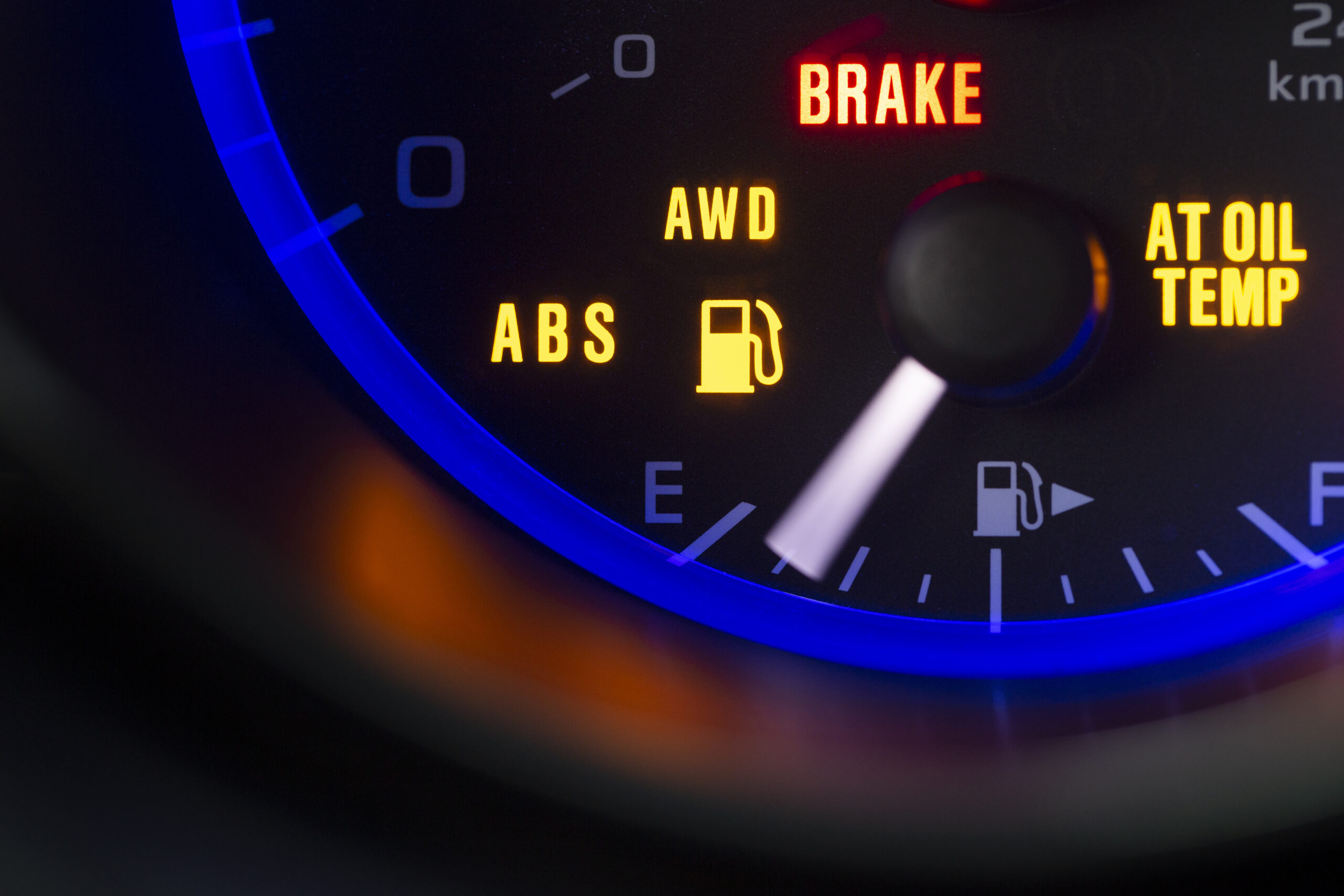
A fuel temperature sensor is an essential component in a vehicle’s fuel system. It measures the temperature of the fuel and sends this information to the engine control unit (ECU) to help optimize engine performance, fuel efficiency, and emissions.
Function of the Fuel Temperature Sensor
- Monitors Fuel Temperature
The sensor, usually a thermistor, detects the fuel’s temperature as it passes through the system and transmits this data to the ECU in real time. - Optimizes Combustion
Fuel temperature affects how efficiently it vaporizes and burns.- Cold fuel may not vaporize properly, leading to incomplete combustion.
- Overheated fuel can cause knocking and reduced performance.
The ECU adjusts the air-fuel mixture and ignition timing to maintain smooth, efficient combustion.
- Aids Cold Starts
During cold starts, the engine requires a richer air-fuel mixture for proper ignition. The ECU uses data from the sensor to adjust the mixture, ensuring smooth starting and stable operation. - Reduces Emissions
Accurate fuel temperature readings allow the ECU to fine-tune combustion, helping the engine produce fewer harmful emissions.
Common Symptoms of a Faulty Fuel Temperature Sensor
When the sensor malfunctions or provides inaccurate readings, the ECU receives incorrect data, leading to several potential issues:
- Poor Fuel Economy: Incorrect air-fuel ratios can cause the engine to burn more fuel than necessary.
- Rough Idling or Stalling: Irregular mixture adjustments may make the engine idle unevenly or stall unexpectedly.
- Reduced Engine Performance: Loss of power, hesitation, or sluggish acceleration may occur.
- Check Engine Light (CEL): The ECU may log diagnostic trouble codes (DTCs) related to the sensor.
- Hard Cold Starts: The engine may struggle to start or run smoothly in cold conditions.
- Increased Emissions: Faulty readings can cause incomplete combustion, increasing exhaust emissions.
- Engine Knocking or Detonation: Incorrect temperature data can lead to premature ignition, potentially damaging the engine.
Conclusion
A properly functioning fuel temperature sensor helps maintain engine efficiency, performance, and emissions control. If you notice poor fuel economy, rough idling, or a check engine light, have the sensor diagnosed and replaced by a qualified technician. Accurate fuel temperature data is vital for smooth and reliable engine operation.
Related AutoParts
 Categories
 Car filter
 Search
 Community
 Top
Top
Korey Gleichner
Your blog is a testament to your dedication to your craft. Your commitment to excellence is evident in every aspect of your writing. Thank you for being such a positive influence in the online community.
seo freelancer
wow i really enjoy reading this, do you post often ? i will check back for more update, you can also check me out at https://webdesignagentur.de.com/ one of the top Marketing Directory site in Germany
seo spezialist bamberg
Great article, thank you for sharing these insights! I’ve tested many methods for building backlinks, and what really worked for me was using AI-powered automation. With us, we can scale link building in a safe and efficient way. It’s amazing to see how much time this saves compared to manual outreach. https://seoexpertebamberg.de/
bamberg webdesign
This is a great article, i am simply a fun, keep up the good work, just finish reading from https://websiteerstellenlassenbamberg.de// and their work is fantastic. i will be checking your content again if you make next update or post. Thank you
webdesign hamburg
Great article! I really appreciate the clear insights you shared – it shows true expertise. As someone working in this field, I see the importance of strong web presence every day. That’s exactly what I do at https://webdesignfreelancerhamburg.de/ where I help businesses in Hamburg with modern, conversion-focused web design. Thanks for the valuable content!
seo service
Really insightful post — Your article is very clearly written, i enjoyed reading it, can i ask you a question? you can also checkout this newbies in seo. thank you